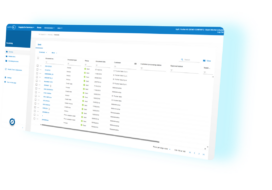
- Invoicing Status
Give suppliers and AP teams one shared view of every invoice’s status
Invoice-status questions explode when suppliers can’t see what happened after submission
Many finance teams have digitized invoice intake, but not invoice transparency. Suppliers submit an invoice and then lose visibility. They do not know whether it was received, validated, rejected, parked, posted, approved, or paid. AP teams end up handling a constant stream of status requests, dunning-related questions, and clarification emails – often across different invoice channels and systems with inconsistent status logic. SupplyOn helps manufacturers turn invoice-status visibility into a controlled self-service process so suppliers can see what matters and AP teams can focus on true exceptions.
Transform invoice transparency into a structured supplier self-service process
SupplyOn positions Invoicing Status as more than a passive tracking screen. It is the communication layer between supplier invoicing and AP execution. Instead of leaving suppliers blind once an invoice is submitted, teams can provide controlled status visibility, enable structured inquiry handling, and consolidate invoice information across multiple submission paths in one finance-ready environment.
Supplier self-service status visibility
SupplyOn gives suppliers direct visibility into the status of their invoices after submission. That includes the SupplyOn platform status as well as the customer processing status, so suppliers can understand whether the invoice is still in validation, already in customer processing, or has moved further through the workflow. This matters because most supplier inquiries are not about complex disputes — they are simple requests for transparency that should not require AP intervention.
Key features
- Supplier-side overview of submitted invoices
- Visibility into platform status and customer processing status
- Structured invoice lists with filtering and search capabilities
- Status transparency without manual AP response handling
- Self-service access for suppliers directly in the invoicing environment
Impact
- Fewer repetitive status requests to AP teams
- Better supplier confidence after invoice submission
- Faster access to the right status information
- Lower manual workload for finance support and shared-service teams

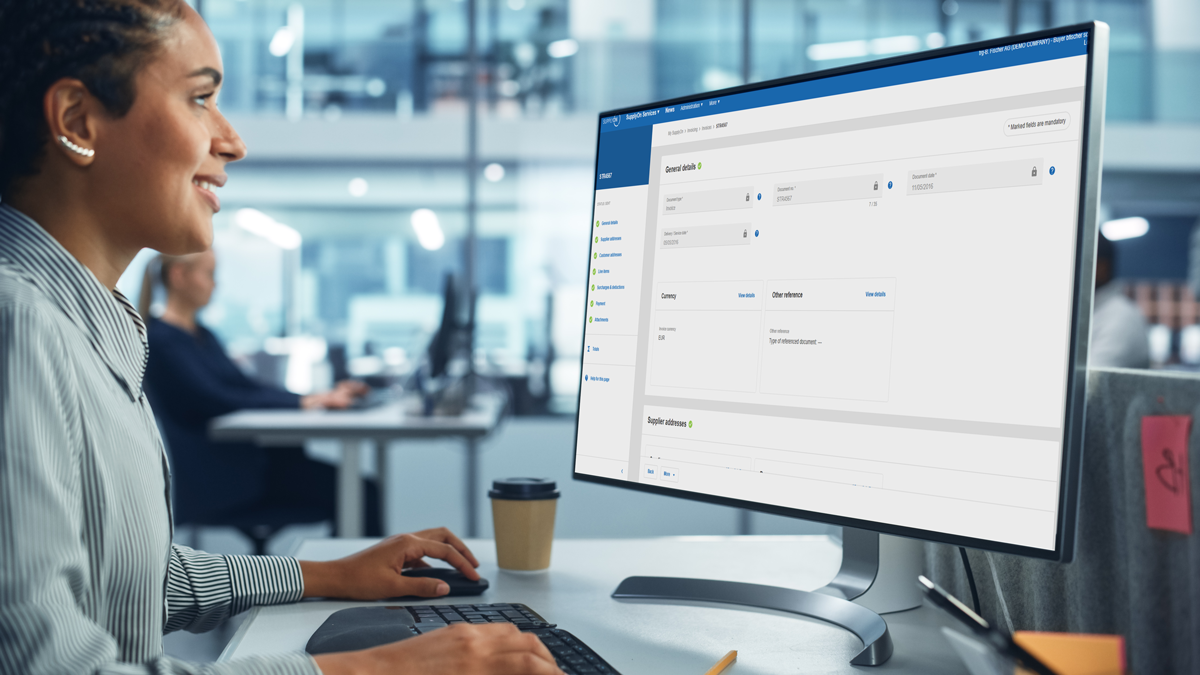
Public status access and multi-channel coverage
Status transparency creates the most value when it reaches all relevant suppliers, not just fully onboarded ones. SupplyOn supports public invoice-status access for broader supplier populations and can also consolidate visibility for invoices originating from other sources through imported status logic. That means suppliers can check status even when the invoice did not originally enter through the full SupplyOn invoicing flow. For global AP teams, this is critical because invoice-status inquiries do not care which intake channel was used — suppliers simply want one reliable answer.
Key features
- Public invoice-status access using invoice reference details
- Visibility for invoice-only suppliers without full process onboarding
- Consolidated status view across different invoice submission sources
- Invoice Import support for status visibility beyond native SupplyOn-originated invoices
Impact
- Broader coverage of supplier invoice-status visibility
- Lower inquiry volume across heterogeneous supplier populations
- Better consistency in finance communication across channels
- Fewer gaps between inbound invoicing and supplier transparency
Inquiry handling and AP exception control
Status visibility alone is not enough for every case. When suppliers have a specific question — for example around rejection, delay, dunning, or invoice clarification — SupplyOn supports structured inquiry handling so those exceptions do not fall back into unmanaged email loops. At the same time, finance teams retain control through AP-side visibility and exception handling in the customer cockpit. This creates a cleaner model: standard cases stay in self-service, while real exceptions move through a governed clarification process.
Key features
- Structured invoice-related inquiry handling for suppliers
- Support for specific invoice references or general invoice questions
- AP-side cockpit visibility for clarification and follow-up
- Controlled routing of exceptions instead of unmanaged mailbox traffic
- Better separation between standard status requests and real problem cases
Impact
- Higher quality of supplier-finance communication
- Less noise in AP mailboxes and support channels
- Faster clarification of true exceptions
- Better use of AP resources on issues that actually need intervention

Relevant ROI for invoicing status transparency
The strongest value drivers for Invoicing Status come from reducing supplier inquiry volume, improving self-service transparency, and giving AP teams one cleaner communication model across invoice channels.
Less status chasing. Better supplier communication. More AP capacity for real exceptions.
Frequently Asked Questions
Make invoice status transparent before AP teams get buried in questions
Connect supplier self-service visibility, public status access, imported invoice-status coverage, and structured exception handling in one process – so your teams can reduce inquiry volume, improve supplier communication, and keep AP focused on real issues.