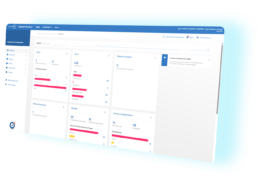
- P2P Consignment
Turn material withdrawals into a validated, automation-ready invoice process
Consignment invoicing gets expensive when withdrawals, billable items, and AP validation are disconnected
In consignment-style purchase-to-pay scenarios, the hardest part is rarely receiving an invoice. It is proving that the invoice matches the underlying demand and goods movement. If withdrawals, goods receipts, ASN references, and invoice creation are not aligned, suppliers invoice against incomplete references, AP teams spend time clarifying quantities and tax details, and downstream automation breaks. SupplyOn helps manufacturers connect invoice creation directly to billable items and purchase-to-pay data so consignment-related invoicing becomes more accurate, more transparent, and easier to process.
Transform P2P consignment into a controlled, demand-linked invoicing process
SupplyOn positions invoicing as part of the broader Purchase-to-Pay process, not as a disconnected AP event. That is especially important in consignment-style flows, where invoice quality depends on how well the invoice is tied to the preceding demand and goods movement. Instead of building invoices in isolation, teams can connect invoice creation, validation, transparency, and AP exception handling in one process.
Billable-item transparency for withdrawal-based invoicing
SupplyOn supports invoice creation based on demand data such as purchase order, ASN, goods receipt, and material withdrawals. That is highly relevant for P2P consignment because invoice creation should not depend on manual reconstruction of what is billable. The billable-items view gives suppliers a structured breakdown of the items or demands that are ready to be invoiced, helping ensure that the invoice matches the underlying transaction context before it is submitted.
Key features
- Invoice creation based on purchase order, ASN, goods receipt, or material withdrawals
- Billable-items list showing which demands are ready to be invoiced
- Breakdown of invoice-relevant demand context before submission
- Support for invoice creation from scratch or from demand-based references
- Cleaner linkage between physical flow and invoice creation
Impact
- Better invoice accuracy in consignment-style scenarios
- Less manual effort reconciling withdrawals and invoice lines
- Fewer supplier-side invoicing errors
- Stronger basis for downstream AP validation and booking


Purchase-to-Pay validation and automation readiness
The value of a consignment invoice process depends on how reliably it can be validated. SupplyOn validates invoices against tax, business, and country-specific rules and is designed to work in a Purchase-to-Pay context where invoice data is matched against the preceding process. AI-based pre-filling of invoice details further reduces supplier effort and helps improve data quality before the invoice enters finance processing.
Key features
- Validation against tax and country-specific rules
- Business-rule validation inside the invoicing core
- AI-based pre-filling of invoice details
- Demand-linked invoice creation for stronger match quality
- Digital and validated invoice file for downstream AP processing
Impact
- Better invoice quality before ERP handover
- Higher automation readiness in direct-material invoice processing
- Lower correction effort for AP teams
- Stronger consistency across consignment and non-consignment invoice flows
Supplier transparency and AP exception control
P2P consignment works best when both supplier and buyer can see what is happening after the invoice is submitted. SupplyOn provides invoice-status visibility for suppliers and AP-side control for the customer. Suppliers can see platform status and customer processing status, while AP teams can use the customer cockpit to review and handle invoices with deviations, errors, or disputes. That means routine transparency stays in self-service, while real exceptions move through a governed finance workflow.
Key features
- Supplier-side invoice overview and status visibility
- Platform status and customer processing status
- Customer Invoice Cockpit for review, edit, approve, or reject decisions
- Clarification handling for invoices with deviations
- Structured inquiry path for invoice-related questions where needed
Impact
- Less supplier inquiry traffic into AP
- Better transparency across consignment-related invoice cases
- Faster handling of real exceptions
- Stronger AP control over invoices that require manual judgment

Relevant ROI for P2P consignment invoicing
The strongest value drivers for P2P Consignment come from connecting invoice creation to billable demand, increasing auto-booking readiness, reducing manual clarification, and giving both suppliers and AP teams better transparency across direct-material invoice flows.
Less reconciliation effort. Better invoice matching. Stronger automation in consignment-style P2P flows.
Frequently Asked Questions
Make consignment-style invoicing easier to match, validate, and automate
Connect billable items, material withdrawals, invoice creation, status transparency, and AP exception handling in one structured Purchase-to-Pay process — so your teams can reduce clarification effort, improve invoice quality, and scale automation across direct-material flows.