- Public Invoice Portal
Bring invoice-only suppliers into a controlled digital invoicing process – without full onboarding
Invoice digitization stalls when long-tail suppliers are left outside the process
Most companies can digitize invoicing for their highly integrated suppliers. The harder problem is the rest of the supplier base: invoice-only suppliers, lower-volume suppliers, low-maturity suppliers, and partners that do not need or cannot support a full purchase-to-pay integration. If those suppliers stay on email, paper, or unmanaged PDF submission, finance teams lose the benefits of standardization, supplier transparency, and inquiry reduction. SupplyOn helps manufacturers bring those suppliers into a lightweight but controlled invoicing process through the Public Invoice Portal.
Transform long-tail supplier invoicing into a controlled self-service channel
SupplyOn positions the Public Invoice Portal as the low-friction extension of its wider invoicing model. Instead of leaving invoice-only suppliers in disconnected channels, finance teams can offer one lightweight digital entry point for submission and status transparency. That makes the portal especially valuable where supplier maturity is uneven but invoice control still needs to be standardized.
Low-friction supplier access for invoice-only use cases
The Public Invoice Portal is designed for suppliers that only need to exchange invoices, not participate in the full SupplyOn process landscape. This matters because many AP organizations do not need every supplier fully integrated – they need every supplier reachable through one controlled inbound model. The portal gives those suppliers a finance-specific entry path without the complexity of broader rollout, making it easier to bring more invoice volume into a digital process quickly.
Key features
- Portal model designed for invoice-only suppliers
- Lightweight access path compared with full process onboarding
- Self-service supplier interaction in a finance-specific environment
- Scalable option for long-tail and lower-maturity suppliers
- Part of the wider inbound invoicing architecture
Impact
- Faster digital inclusion of suppliers outside the core network
- Lower onboarding friction for occasional or low-volume suppliers
- Better standardization across fragmented invoice populations
- Stronger invoice coverage without expanding full process rollout unnecessarily

Structured invoice submission without complex integration
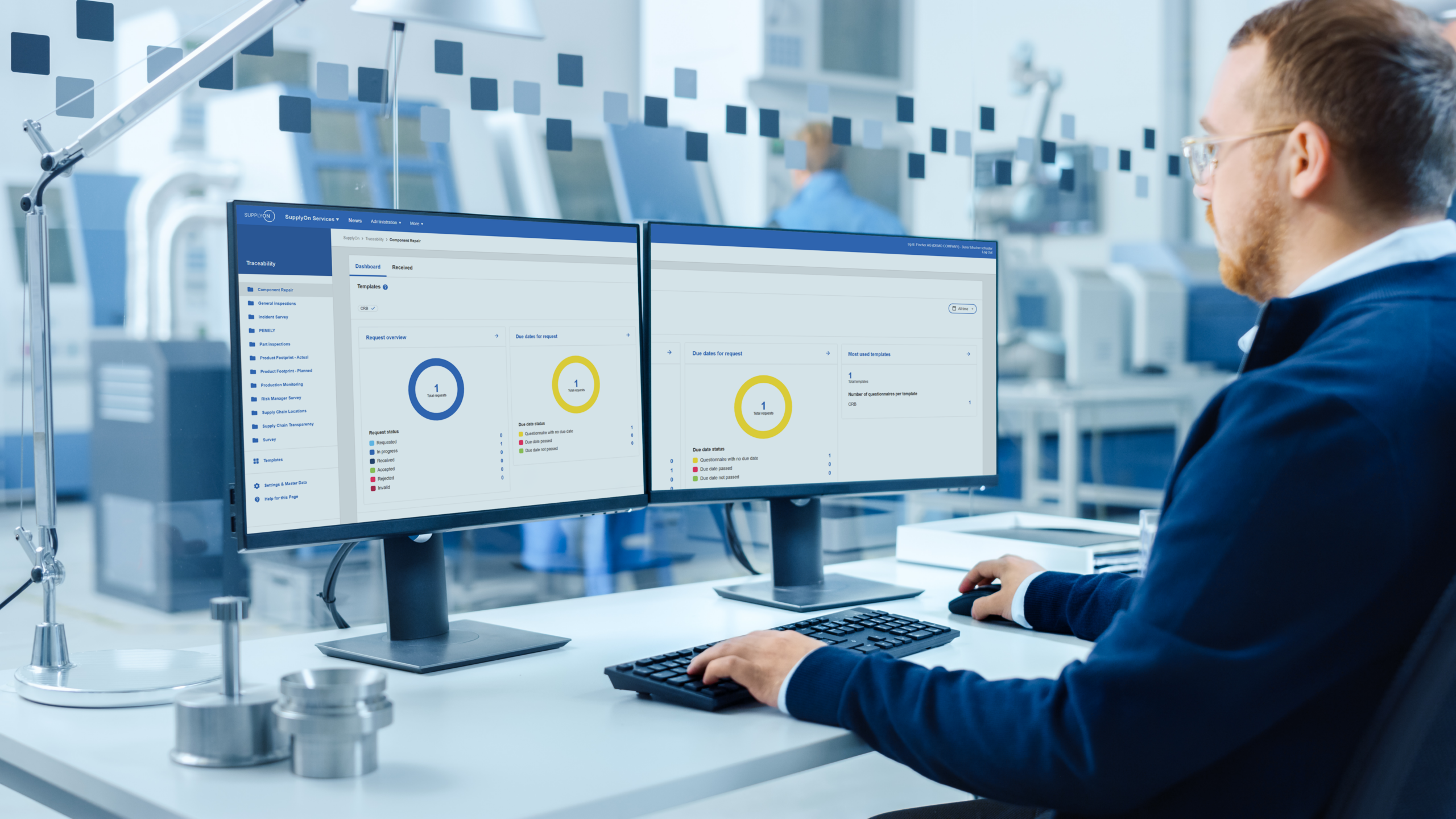
For many suppliers, the biggest barrier to digital invoicing is not willingness — it is technical complexity. The Public Invoice Portal lowers that barrier by giving suppliers a simpler way to submit invoices through a controlled interface. This is especially useful for suppliers that do not have XML, EDI, or direct integration capabilities but still need to participate in a compliant and visible invoicing process. Instead of accepting that these suppliers will remain manual, finance teams can give them a channel that is easier to use and easier to govern.
Key features
- Structured invoice submission through a lightweight portal channel
- Suitable for suppliers without direct system integration
- Controlled alternative to unmanaged email-based invoice sending
- Standardized supplier-facing entry point for invoice data
- Cleaner finance intake model for heterogeneous supplier populations
Impact
- Less manual intake handling for invoice-only suppliers
- Better invoice quality than unmanaged submission channels
- Easier scaling of digital invoicing across mixed supplier maturity levels
- Lower dependency on custom onboarding or local workarounds
Invoice status transparency and inquiry reduction
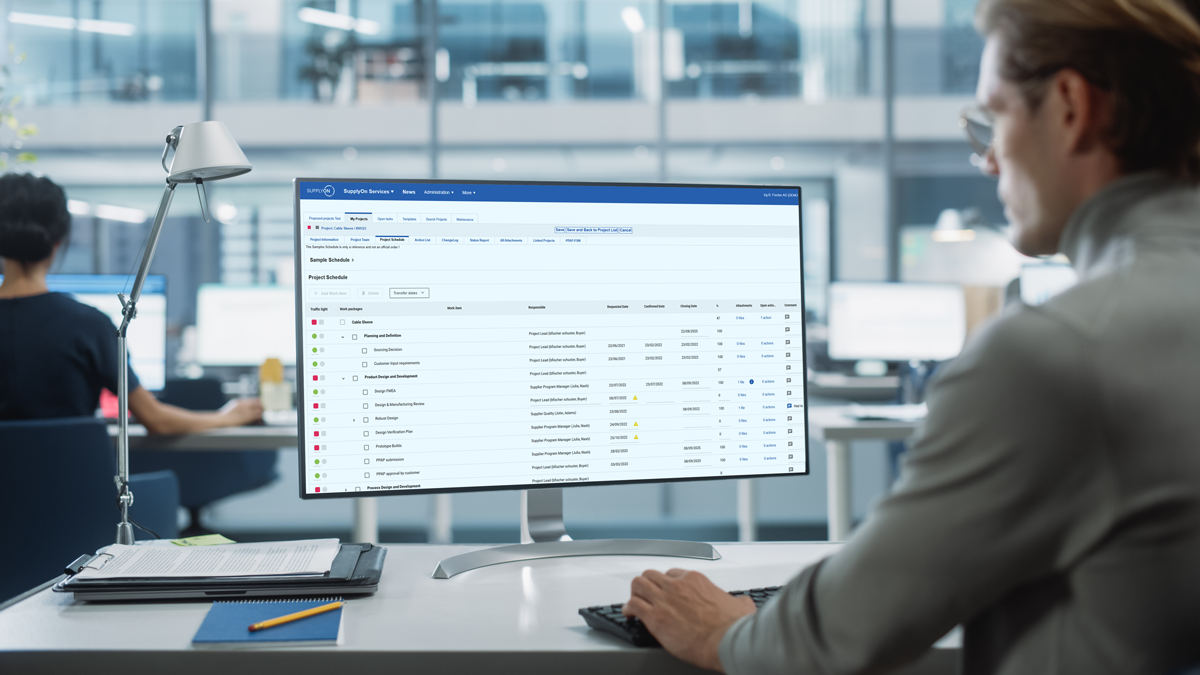
The Public Invoice Portal becomes especially powerful when it does more than accept an invoice. It also gives suppliers transparency into invoice processing status. That means suppliers can follow what is happening after submission without opening repetitive “what is the status?” questions to AP teams. In practice, this creates a much cleaner finance communication model: standard status requests stay in self-service, while true exceptions can be handled separately through structured inquiry and clarification workflows.
Key features
- Supplier-facing invoice-status visibility
- Public status access model for broader supplier populations
- Self-service transparency after submission
- Better separation between standard status questions and true exceptions
- Alignment with the wider invoice-status and inquiry process
Impact
- Lower volume of routine supplier inquiries into AP
- Better supplier experience after invoice submission
- More scalable finance communication across long-tail suppliers
- More AP capacity available for real exception handling
Relevant ROI for the Public Invoice Portal
The strongest value drivers for the Public Invoice Portal come from extending digital invoice coverage to invoice-only suppliers, lowering onboarding friction, and reducing the manual workload created by supplier status inquiries.
Less long-tail complexity. Better supplier transparency. More complete control of inbound invoicing.
Frequently Asked Questions
Bring invoice-only suppliers into your digital invoicing model – without forcing full onboarding
Connect lightweight supplier access, structured invoice submission, and self-service status transparency in one Public Invoice Portal – so your teams can extend invoice digitization, reduce AP workload, and get closer to full inbound invoice control.