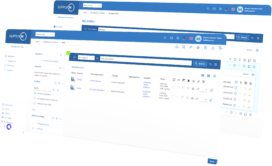
- Catalog Management
Catalog Management: Govern content, control buying, ensure compliance
What is catalog management in procurement?
Catalog management in procurement is the process of organizing, validating, and governing product and supplier data across internal catalogs, supplier-hosted catalogs, punch-out shops, and marketplaces. It ensures that users can find the right items, see the correct prices, and purchase from approved sources within a controlled and compliant buying environment.
Catalogs do not fail because of missing content – they fail when governance, structure, and control are not managed as a process.
In many organizations, catalog content is fragmented across internal systems, supplier platforms, and external sources. Without consistent taxonomy, validation, and approval workflows, users struggle to find the right items, prices become outdated, and purchasing behavior becomes difficult to control.
Transform catalog content into a controlled, search-ready buying layer
SupplyOn Catalog Management enables organizations to turn fragmented catalog content into a structured and governed buying channel. Instead of managing catalogs as static data, teams can connect supplier onboarding, content validation, approval workflows, visibility control, and search into one integrated process.
This ensures that catalog content becomes a reliable purchasing channel – not just a repository of product data.
Flexible catalog models for supplier and internal content
Manage supplier and internal catalogs within one scalable governance framework. Enable flexible collaboration with suppliers while maintaining centralized approval and release control.
Key Features
- Support for supplier-managed and customer-managed hosted catalogs
- Flexible content integration via Excel, BMECat, and ERP-based catalogs
- Unified management of internal, supplier, and specialized catalog types
Impact
- Faster rollout of catalog content across suppliers and internal sources
- Greater flexibility across different catalog ownership models
- Reduced manual effort for catalog maintenance and updates


Catalog validation, approval, and lifecycle governance
Ensure catalog data remains accurate, compliant, and up to date throughout its lifecycle by governing how changes are reviewed, approved, and activated.
Key Features
- Automated validation and workflow-based approval of catalog changes
- Version comparison and controlled release of updates
- Lifecycle management with validity periods, activation, and expiry control
Impact
- Reduced risk of incorrect or outdated catalog content
- Stronger control over supplier price changes and updates
- Higher trust in catalog data across procurement and requestors
Visibility control, central search, and connected buying channels
Provide users with a consistent purchasing experience across catalogs, punch-out shops, and marketplaces while maintaining structured access to approved content and suppliers.
Key Features
- Role- and context-based catalog visibility across users and organizations
- Central search across catalogs, punch-out, and marketplace content
- Optional item-level visibility control
- Seamless integration of external content with structured cart return
Impact
- Improved user experience when finding and selecting items
- Increased compliance with approved suppliers and assortments
- Reduced maverick buying through controlled access and guidance

Better search, lower effort, and full control over catalog-based buying
The strongest value drivers for catalog management come from improved searchability, reduced operational effort, and full control over catalog content, supplier updates, and purchasing behavior.
Create a purchasing experience users trust – with governed content, accurate search results, and compliant supplier access.
Frequently Asked Questions
Build a buying channel your users can trust – and procurement can control
Connect hosted catalogs, punch-out shops, marketplaces, approvals, and visibility rules in one structured process – so your teams can improve search quality, reduce catalog effort, and keep catalog-based buying compliant at scale.